Recently, Youlei Food Stuff Technique (Jingjiang) Co., Ltd. successfully passed the renewal audit for the BRCGS Global Standard for Food Safety (Issue 9) and was ...
READ MORE
 2026.05.08
 업계 뉴스
업계 뉴스
아이스크림 샌드위치의 핵심적인 기술적 과제는 다음과 같은 역설에 있습니다. 비스킷은 자동화된 조립 라인을 수용하기 위해 생산 중에 단단하고 바삭바삭한 상태를 유지해야 하지만, 소비 시점에는 부드럽고 촉촉하며 케이크 같은 질감을 제공해야 합니다. . 하드 비스킷 수분 활성도 조절(Aw 약 0.35~0.45) 및 저온 유통 숙성 공정을 통해 다용도 밀가루로 제조되어 -18°C에서 구조적 무결성을 유지하는 동시에 아이스크림 충전재에서 자유 수분을 흡수하여 "단단하고 바삭함"에서 "부드럽고 부드러운" 질감으로 완전한 질감 변화를 달성합니다. 이러한 이중상 특성으로 인해 산업용 아이스크림 샌드위치 생산에 선호되는 캐리어가 되었습니다.
산업용 아이스크림 샌드위치 생산 라인에서 비스킷은 고속 이송, 정밀 정렬, 아이스크림 퇴적 및 압축 밀봉을 견뎌야 합니다. 부드러운 쿠키 또는 케이크 베이스는 기계적 그립으로 인해 변형 및 파손되어 라인 가동 중지 시간과 폐기물 비율이 크게 증가합니다. 딱딱한 비스킷과 함께 2.5–4.0 MPa의 압축 강도 , 분당 120~140개 단위의 자동화된 라인 압력을 견딜 수 있어 지속적이고 안정적인 생산을 보장합니다.
아이스크림 샌드위치는 -18°C ~ -25°C에서 몇 주에서 몇 달 동안 보관 및 운송이 필요합니다. 전통적인 비스킷은 수분 이동과 얼음 결정 형성으로 인해 이러한 조건에서 가루화되고 갈라집니다. 하드 비스킷은 다음 메커니즘을 통해 구조적 무결성을 유지합니다.
단단한 비스킷이 아이스크림과 결합되면 콜드체인 보관 중에 수분 재분배가 발생합니다. 아이스크림의 유리수(전체 아이스크림 질량의 약 30~40%)는 비스킷 매트릭스로 이동하여 단백질과 전분에 흡수됩니다. 이 과정은 일반적으로 평형에 도달합니다. 조립 후 24~72시간 이내 , 이 시점에서 비스킷의 수분 함량은 초기 3%~5%에서 12%~18%로 증가하고 질감은 "단단하고 바삭함"에서 "부드럽고 촉촉함"으로 전환됩니다.
| 공정단계 | 주요 매개변수 | 제어대상 | 최종 품질에 미치는 영향 |
|---|---|---|---|
| 비스킷 베이킹 | 수분 함량 | 3%~5% | 초기 바삭함과 흡습 가능성을 결정합니다. |
| 비스킷 베이킹 | 두께 | 3.5~5.0mm | 물림저항성과 수분투과율에 영향을 줍니다. |
| 아이스크림 입금 | 오버런 비율 | 80%~100% | 충전량과 질감의 부드러움에 영향을 미칩니다. |
| 콜드체인 성숙 | 온도 | -18°C ~ -25°C | 수분 이동률 및 미생물 안전성 제어 |
| 콜드체인 성숙 | 기간 | 24~72시간 | 텍스처 변환의 완전성을 결정합니다. |
단단한 비스킷 제제는 다용도 밀가루를 베이스로 사용합니다. 단백질 함량(약 9%~11%)은 적당한 글루텐 네트워크를 형성하여 질긴 질감으로 과도하게 발전하지 않고 자동화 라인에서 기계적 강도를 보장합니다. 지방 첨가는 일반적으로 다음과 같이 조절됩니다. 밀가루 질량의 25%~35% , 글루텐에 윤활유를 바르고 빠른 수분 침투를 늦추어 국부적인 질감이 아닌 균일한 질감 변화를 보장합니다.
오리지널 버터 맛 비스킷은 밀 향과 유제품 지방 향을 중심으로 하며, 아이스크림 필링과 경쟁하지 않는 적당한 맛 강도를 가지고 있습니다. 이러한 "중성 염기" 특성으로 인해 바닐라, 딸기, 말차와 같은 주류 아이스크림 맛과 호환됩니다. 실제 응용 분야에서 버터 맛 비스킷(일반적으로 무수 버터 또는 분유로 첨가)의 유제품 지방 함량은 아이스크림과의 지방 호환성을 향상시켜 전반적인 입맛의 부드러움을 향상시킵니다.
천연 코코아 파우더로 제조된 코코아 맛 하드 비스킷은 진정한 초콜릿 맛(코코아 폴리페놀은 균형 잡힌 쓴맛과 단맛을 제공)을 제공하는 동시에 밝은 색상의 아이스크림 충전재와 강한 시각적 대비를 만듭니다. 이 대비 효과 인지된 제품 레이어링을 향상시킵니다. 소비하는 동안 선반 매력을 증가시킵니다. 코코아 파우더(코코아 버터)의 지방 성분은 비스킷 매트릭스 지방과 시너지 효과를 발휘하여 냉동 보관 중 산화 분해를 지연시킵니다.
| 평가 차원 | 오리지널 버터맛 | 풍부한 코코아 맛 |
|---|---|---|
| 맛 호환성 | 매우 높음; 모든 주류 맛과 호환 가능 | 적당히 높음; 바닐라, 커피, 견과류 맛과 가장 잘 어울립니다. |
| 시각적 매력 | 미묘한; 클래식 포지셔닝 제품에 적합 | 강하다; 차별화된 제품에 적합 |
| 풍미 레이어링 | 아이스크림의 맛 그 자체를 강조 | 비스킷과 아이스크림의 맛이 서로 향상됩니다. |
| 항산화 안정성 | 표준 수준 | 코코아 폴리페놀은 추가적인 보호 기능을 제공합니다. |
만능밀가루의 회분 함량, 단백질 함량, 수분 흡수율 등에 대한 엄격한 내부 관리 기준을 마련해야 합니다. 밀가루의 수분 흡수 변동을 조절하는 것이 좋습니다. ±1.5% 반죽 점도와 비스킷 형성의 일관성을 보장합니다. 지방의 용해 프로필과 고체 지방 지수(SFI)도 일괄 테스트를 통해 지방 가소성의 변화로 인해 냉동 환경에서 균열 속도가 증가하는 것을 방지해야 합니다.
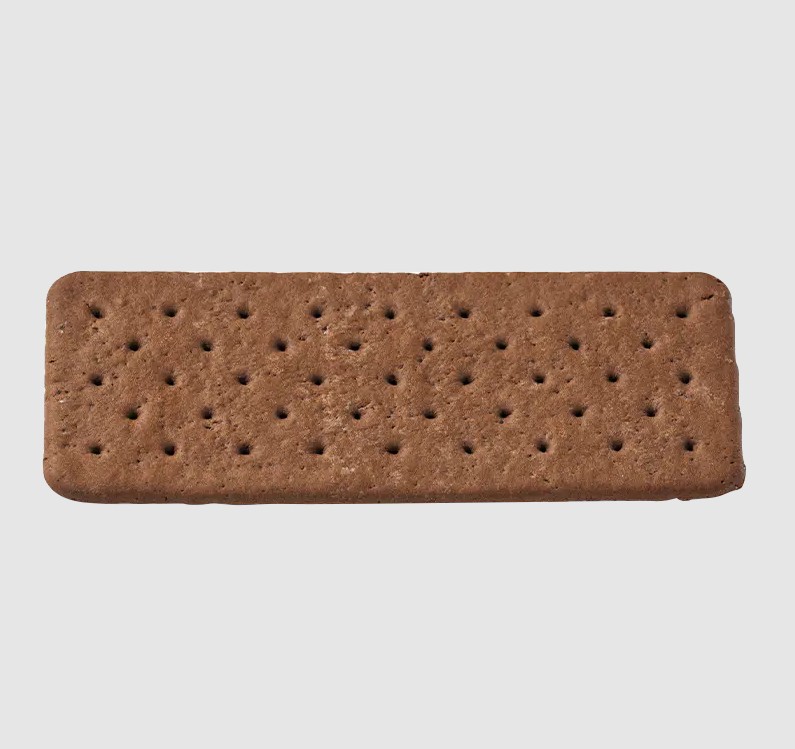
단단한 비스킷 베이킹에는 팽창 및 경화, 수분 증발, 메일라드 반응의 3단계가 포함됩니다. 일반적인 터널 오븐 매개변수는 다음과 같습니다.
총 베이킹 시간은 일반적으로 다음과 같이 제어됩니다. 7~10분 , 비스킷의 두께와 목표 수분 함량에 따라 조정됩니다.
조립된 아이스크림 샌드위치는 -18°C 이하에서 최소 24시간 동안 숙성해야 합니다. 이 과정에서 다음을 포함하여 질감 분석을 위한 일괄 샘플링을 수행하는 것이 좋습니다.
현재의 하드 비스킷 기술은 "생산의 바삭함"과 "소비의 부드러움" 사이의 모순을 효과적으로 해결했지만 최적화 기회는 여전히 남아 있습니다. 예를 들어, 트랜스글루타미나제와 같은 효소를 사용하여 글루텐 네트워크를 적당히 가교하면 동결-해동 안정성을 유지하면서 저온 사슬 성숙 시간을 더욱 단축할 수 있습니다. 표준 전분을 저항성 전분이나 식이섬유로 부분적으로 대체하면 식이섬유 함량을 늘리면서 인지된 부드러움을 향상시킬 수 있습니다. 또한 클린 라벨 추세에 따라 인공 향료를 천연 코코아 가루 및 유지방 향으로 대체하는 것이 프리미엄 아이스크림 샌드위치 제품의 핵심 차별화 경로가 될 것입니다.
Recently, Youlei Food Stuff Technique (Jingjiang) Co., Ltd. successfully passed the renewal audit for the BRCGS Global Standard for Food Safety (Issue 9) and was ...
READ MORE방금 푀유틴 상자를 열었는데 금빛 플레이크가 완벽하게 바삭바삭합니다. 하지만 가방을 밤새 열어 놓으면 기분 좋은 순간이 밋밋하고 쫄깃한 실망감으로 변합니다. 이것은 드문 사고가 아닙니다. 이는 거대한 표면적을 가진 엔지니어링 웨이퍼의 예측 가능한 동작입니다. 좋은 소식이요? 퓨이에틴을 안정적으로 유지하는 수분, 온도 및 포장 규칙을 이해하면 적절한 보관은 간단합니다. 세...
READ MORE할랄 시장에서의 입지를 강화하기 위해 회사는 할랄 인증 카테고리 관리를 지속적으로 개선하여 신제품 출시 후 즉시 인증을 받을 수 있도록 하고 있습니다. 회사는 지금까지 거의 완료되었습니다. 70건의 카테고리별 할랄 인증 실적 , 비스킷, 비스킷 부스러기, 복합 양념 소스 및 얇고 바삭한 웨이퍼와 같은 핵심 제품을 다루며 정확한 카테고리 문서를 보장하고 파...
READ MORE아이스크림 토핑용 쿠키 부스러기: 형식에 따라 디저트가 결정되는 이유 초콜릿 쿠키 부스러기 토핑은 스쿠프가 컵에 들어가는 순간 완벽해 보입니다. 10분 후 따뜻한 카운터나 고객의 손에 들려면 동일한 빵 부스러기가 부드러워지고 서로 뭉쳐지며 디저트를 흥미롭게 만드는 바삭바삭한 대비를 잃을 수 있습니다. 아이스크림 제조업체에 비스킷 기본 재료를 공급하는 작업에서...
READ MORE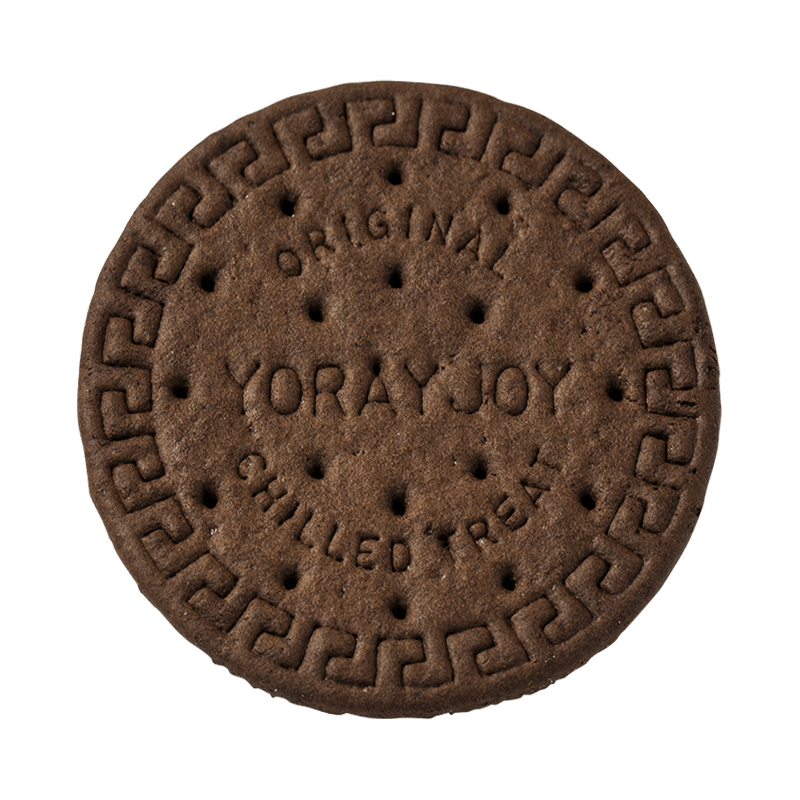
이 라운드 코코아 하드 비스킷은 고급 냉동 디저트와 창의적인 스낵을 위해 특별히 설계되었으며 바삭바삭한 질감과 탁월한 저온 유통 특성을 결합합니다.
See Details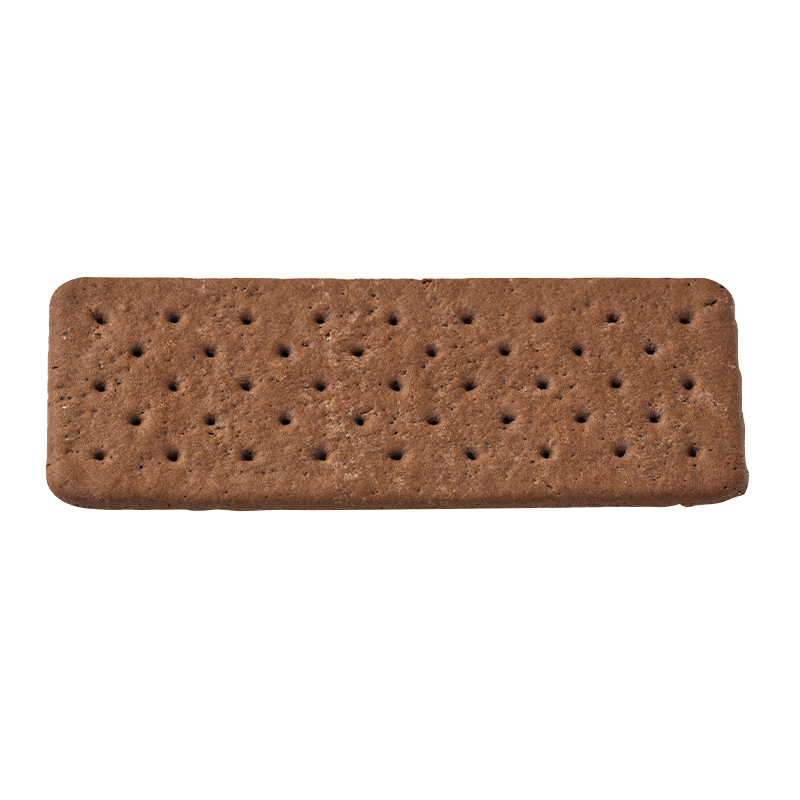
이 직사각형 코코아 하드 비스킷은 클래식한 구운 반제품으로 바삭바삭한 질감과 뛰어난 물리적 호환성을 결합하여 냉동 디저트와 창의적인 스낵을 위한 이상적인 베이스입니다.
See Details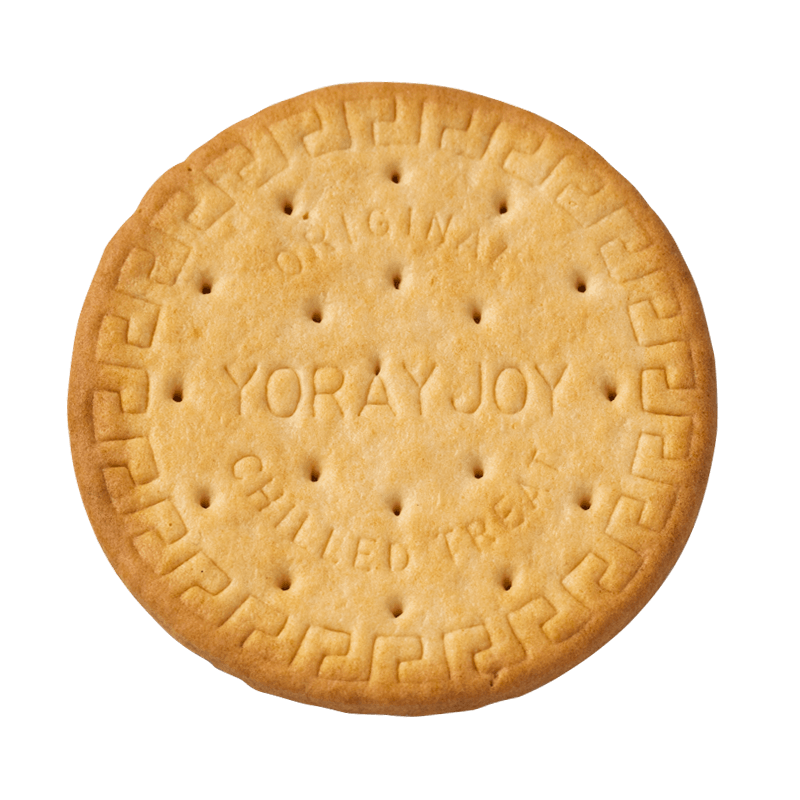
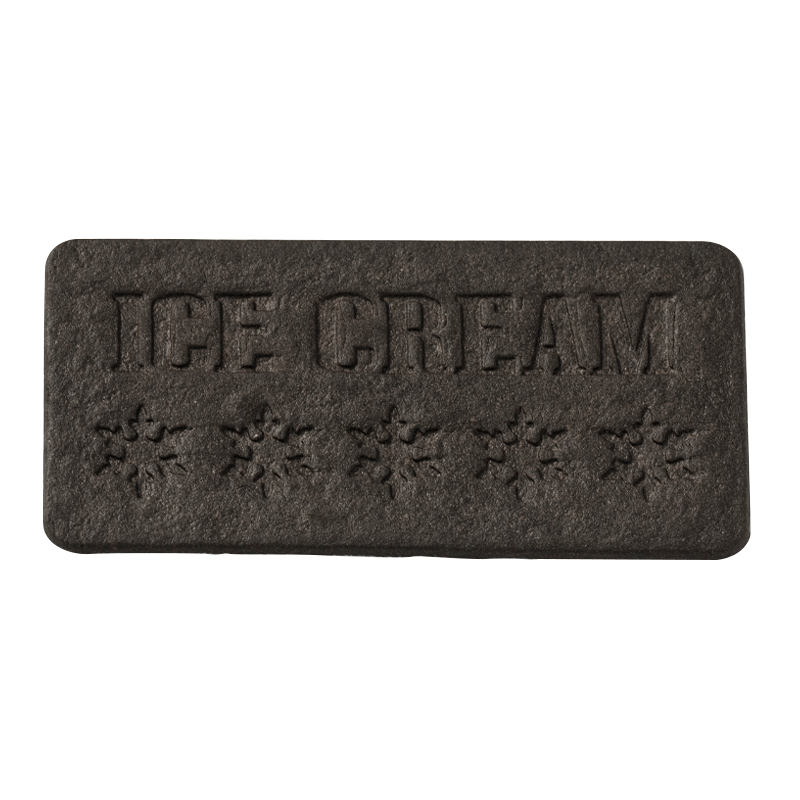
이 직사각형 코코아 크리스피 비스킷은 아이스크림 샌드위치에 이상적인 껍질입니다. 고전적인 "오레오" 맛 프로필을 이어가며 콜드체인 환경에 최적화되어 있습니다.
See Details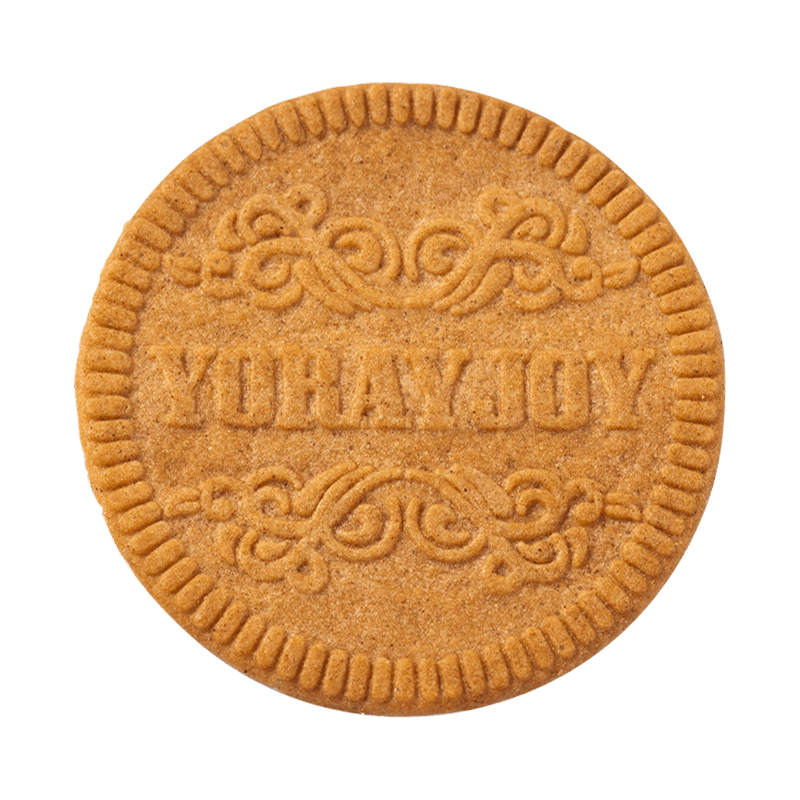
프리미엄 아이스크림을 위해 특별히 설계된 이 핵심 구성 요소는 과학적으로 공식화된 고지방 및 고당 비율을 특징으로 하며 견고한 구조적 지지력과 입에서 녹는 바삭함을 모두 제공합니다.
See Details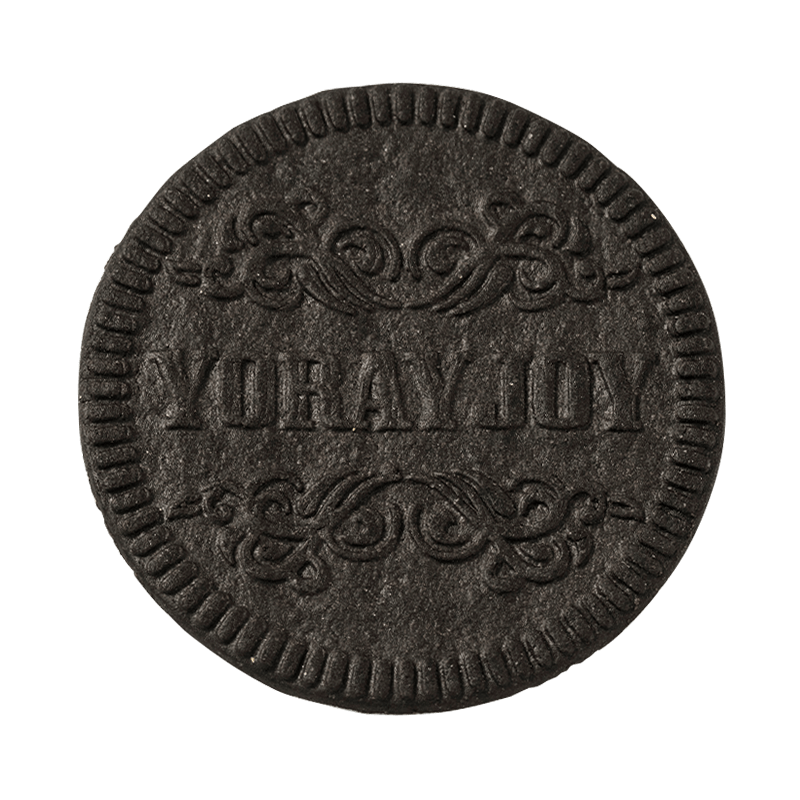
본 제품은 고급 냉동디저트를 위해 특별히 고안된 전문 베이스 성분입니다. 기름 대 설탕 비율이 높고 글루텐 함량이 낮은 밀가루를 사용하여 입안에서 부서지는 매우 바삭한 식감을 선사합니다.
See Details